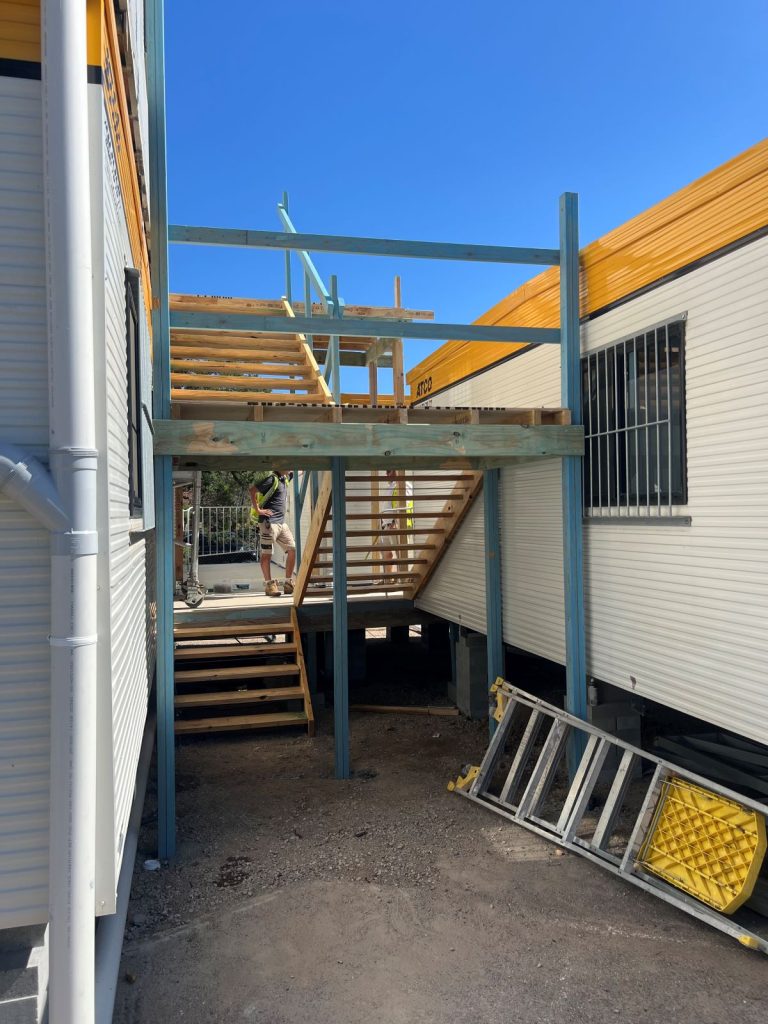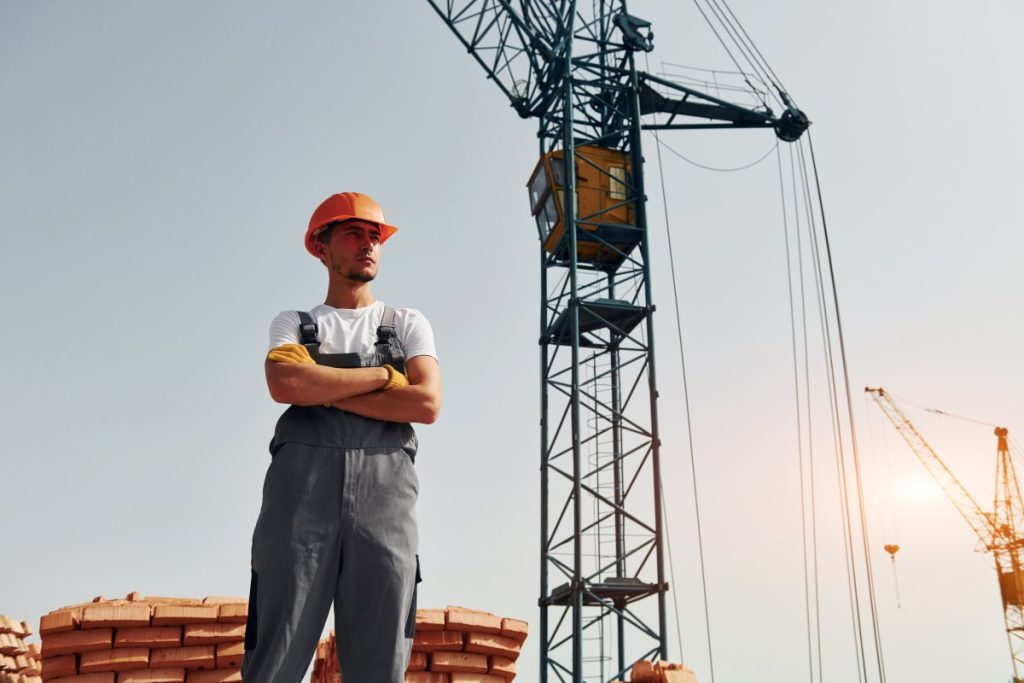
Construction sites are fast-paced environments with danger looking at you from multiple directions. In the industry you will be met with multiple trades, heavy machinery and complex tasks. Often trades will prioritise efficiency and quality. While it’s crucial to perform at top standards, this is unachievable if you don’t maintain a strong safety culture. A safe construction site protects workers, prevents delays and ensures projects are completed responsibly and professionally. At the heart of every well-managed construction project is a commitment to safety. By following clear procedures, providing proper training and maintaining strict safety standards, construction teams can significantly reduce the risk of accidents and injuries.
The Importance of Personal Protective Equipment (PPE)
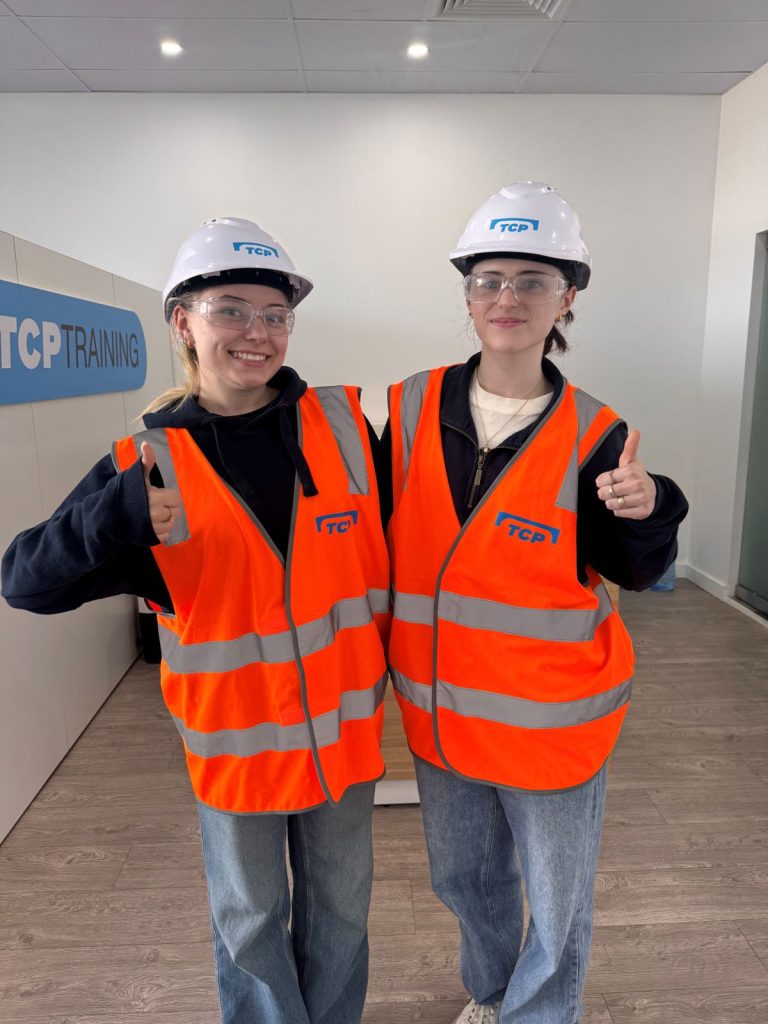
Personal Protective Equipment (PPE) plays a vital role in keeping workers safe on site. Equipment such as hard hats, high-visibility clothing, safety boots, gloves, and protective eyewear helps minimise the risk of injury from common construction hazards.
Wearing the correct PPE ensures workers are protected from falling objects, sharp materials, dust, and other potential risks. It also promotes a culture where safety is taken seriously by everyone on site.
Site Inductions and Worker Awareness
Before anyone begins work on a construction site, they must complete a site induction. This process introduces workers to the specific hazards, safety procedures, and emergency protocols associated with the project.
Site inductions ensure that every worker understands:
- Site rules and safety requirements
- Emergency procedures
- Hazard identification
- Safe work practices
Proper inductions help create a consistent safety standard across the entire workforce.
Effective Risk Management
Risk management is essential in construction. Identifying potential hazards before work begins allows teams to implement control measures that reduce the likelihood of incidents.
This includes:
- Conducting site inspections
- Preparing Safe Work Method Statements (SWMS)
- Implementing hazard controls
- Regular safety briefings and toolbox talks
Proactive risk management ensures problems are addressed before they become serious safety issues.
Compliance with Industry Standards
Construction companies must comply with strict safety regulations and industry standards. These rules are designed to protect workers and ensure safe working environments.
Compliance includes:
- Following workplace health and safety regulations
- Maintaining safe equipment and machinery
- Providing proper training and supervision
- Conducting regular safety audits
Meeting these standards is not just a legal requirement, it demonstrates professionalism and responsibility.
Building a Strong Safety Culture
Safety is not just about rules and equipment. It is about creating a culture where everyone takes responsibility for looking out for themselves and their teammates.
A strong safety culture encourages workers to:
- Report hazards immediately
- Follow safe work procedures
- Support and protect fellow workers
- Stay alert and focused on site
When safety becomes part of everyday work practices, construction sites become safer, more efficient, and more productive.
Safety is the foundation of every successful construction project. By prioritising safety construction teams can create environments where everyone goes home safely at the end of the day.
A commitment to safety not only protects workers but also strengthens trust with clients and ensures projects are delivered responsibly and professionally.